We live surrounded by objects, products and systems that shape our relationship with the world. Through the Product Design course, you will learn how to design these elements, applying a range of methodologies to the practical development of projects.
Bachelor’s Degree in Design, Product Design
About the degree
Projects
Faculty
Admission and fees
Internships
Alumni


General Information
Qualification
Higher Artistic Education Degree in Design
Specialisation
Product Design
Plazo cerrado
Credits
240 ECTS
Duration
4 years
Learning Format
Practical and theoretical
On-campus
Start Date
September
Applications
April
Application period closed
Places
30
Product designers are professionals capable of researching, analysing, designing, and defining the formal qualities, materials, and production processes, as well as the functionality and user experience, and the aesthetic, symbolic, communicative, social, economic, and environmental values of the designs they conceive and develop.
Through departments dedicated to languages and artistic expression, science, materials and techniques, culture and management, digital and audiovisual media, and design projects, the programme fosters holistic thinking, as well as critical, analytical, and proposal-driven skills, while responding to users’ needs, contextual factors, and production systems. Students tackle complex tasks, challenges, and projects, paying close attention to their social and environmental implications. Project briefs are developed in response to contemporary challenges, often in collaboration with companies, institutions, or through participation in real design competitions.
Curriculum

60 ECTS
First Year
Foundations of Design. Analysis
6 ectsFoundations of Design. Ideation
6 ectsDrawing. Representation
4 ectsDrawing. Communication
4 ectsVolume
4 ectsRepresentation Systems
4 ectsDigital Technology
4 ectsColour
4 ectsScientific Foundations for Design
4 ectsEcodesign
4 ectsTheory and History of Art
4 ectsDigital Technology Applied to Ideation
4 ectsIntroduction to Product Design
4 ectsModels and Prototypes. Ideation and Communication
4 ectsFoundation Courses|Compulsory Specialisation Modules
60 ECTS
Second Year
Photography and Audiovisual Media
4 ectsTechniques of Expression and Communication
4 ectsTheory and History of Design
4 ectsTheory and Culture of Design
4 ectsMaterials and Technology. Conceptualisation
4 ectsMaterials and Technology. Realisation
4 ectsDigital Technology Applied to Production
4 ectsDigital Technology Applied to Communication
4 ectsProjects. User
6 ectsProjects. Context
6 ectsGraphic Design and Project Communication
4 ectsModels and Prototypes. Processes and Development
6 ectsBionics and Proportion
4 ectsFoundation Courses|Compulsory Specialisation Modules
60 ECTS
Third Year
Aesthetics
4 ectsBusiness Organisation
4 ectsEvaluation of the Design Process
2 ectsHistory of Product Design
4 ectsPackaging and Packaging Design Project
6 ectsProjects. Production
6 ectsProjects. Society
4 ectsGraphic Communication and Identity
4 ectsArt, Craft, and Design
2 ectsDigital Technology Applied to the Project
4 ectsStructures and Systems
6 ectsElective Modules
14 ectsFoundation Courses|Compulsory Specialisation Modules
60 ECTS
Fourth Year
Design and Trends
4 ectsDesign Management
2 ectsCommunications and Resources
2 ectsProjects. Innovation
4 ectsBudgeting and Project Management
4 ectsElective Modules
20 ectsInternships
12 ectsFinal Degree Project
12 ectsFoundation Courses|Compulsory Specialisation Modules
28 ECTS
Elective Modules
Toy Design
6 ectsProduct Design for Animal Welfare
6 ectsIntroduction to Bicycle Design and Construction
6 ectsProjects. Matter and Idea
6 ectsEphemeral Architectures
6 ectsExperimental Creation. Surface Treatments
4 ectsCreativity. Creative Thinking and Design Thinking
4 ectsDigital Industrial Print Design
4 ectsExhibition Design
4 ectsFurniture Design for Habitat
4 ectsPortfolio Design
4 ectsService Design
6 ectsExperimental Design. Textile Creation and Pattern Making
6 ectsDesign for Events and Performances
4 ectsDesign for Social Innovation
6 ectsEcodesign. Life Cycle and Environmental Certification
4 ectsUser Experience
4 ectsDigital Manufacturing
4 ectsIntroduction to Virtual Reality and Augmented Reality
4 ectsIntroduction to Video Game Design
6 ectsArtificial Intelligence Applied to Design
4 ectsResearch for Designers
4 ectsMarketing for Designers
4 ectsObject and Interface
6 ectsAudiovisual Pre-production, Production, and Post-production
4 ectsDrawing Processes and Techniques
4 ectsCreative Programming
4 ectsExperimental Graphic Projects Applied to Objects
4 ectsExperimental Illustration Projects
4 ectsProjects for Social Emergency Contexts
4 ectsCommunication and Graphic Presentation Techniques
4 ectsDyeing and Printing Techniques Applied to Projects
4 ectsTrends, Rhetoric, and Production Processes
6 ects ects
ects
ects
ects
ects
ects
ects
Cross-disciplinary|Specialisation


Why Study at ESD Madrid
[ 1 ]
Public and Accessible Education
[ 2 ]
"Hands-on Learning" Methodology
[ 3 ]
Personalised and Supportive Learning Environment
[ 4 ]
Curricular Flexibility
We offer a flexible curriculum that adapts to the needs and aspirations of each student. The first year consists of shared modules that provide a solid foundation in design, common to all specialisations. From the second year onwards, the programme is enriched by a broad selection of elective courses, allowing students to shape a personalised learning pathway aligned with their interests and professional aspirations.
[ 5 ]
Social and Environmental Impact
[ 6 ]
Training in Design Thinking and Professional Practice
[ 7 ]
International Partnerships
Want to Learn More About the School?
Discover our mission and what drives us
Career Opportunities
Career opportunities for Product Designers today are broad and full of possibilities within an employment landscape that is constantly evolving. Numerous opportunities exist across a variety of sectors, enabling creative professionals to explore different roles and establish their place within the market.
Packaging Design
Toy Design
Appliance Design
Furniture Design for Habitat
Office Furniture Design
Urban Elements Design
Lighting and Luminaires Design
Design for Craftsmanship
Kitchenware Design
Systems Design
Design Management
Product Development
User Experience Design
Design, research and development of new concepts, materials, applications and products
Research, Curatorship, and Teaching
Service Design
Strategic Design
Accessory Design
Materials Design (including New Materials)
Product Design for Artistic Contexts
Projects
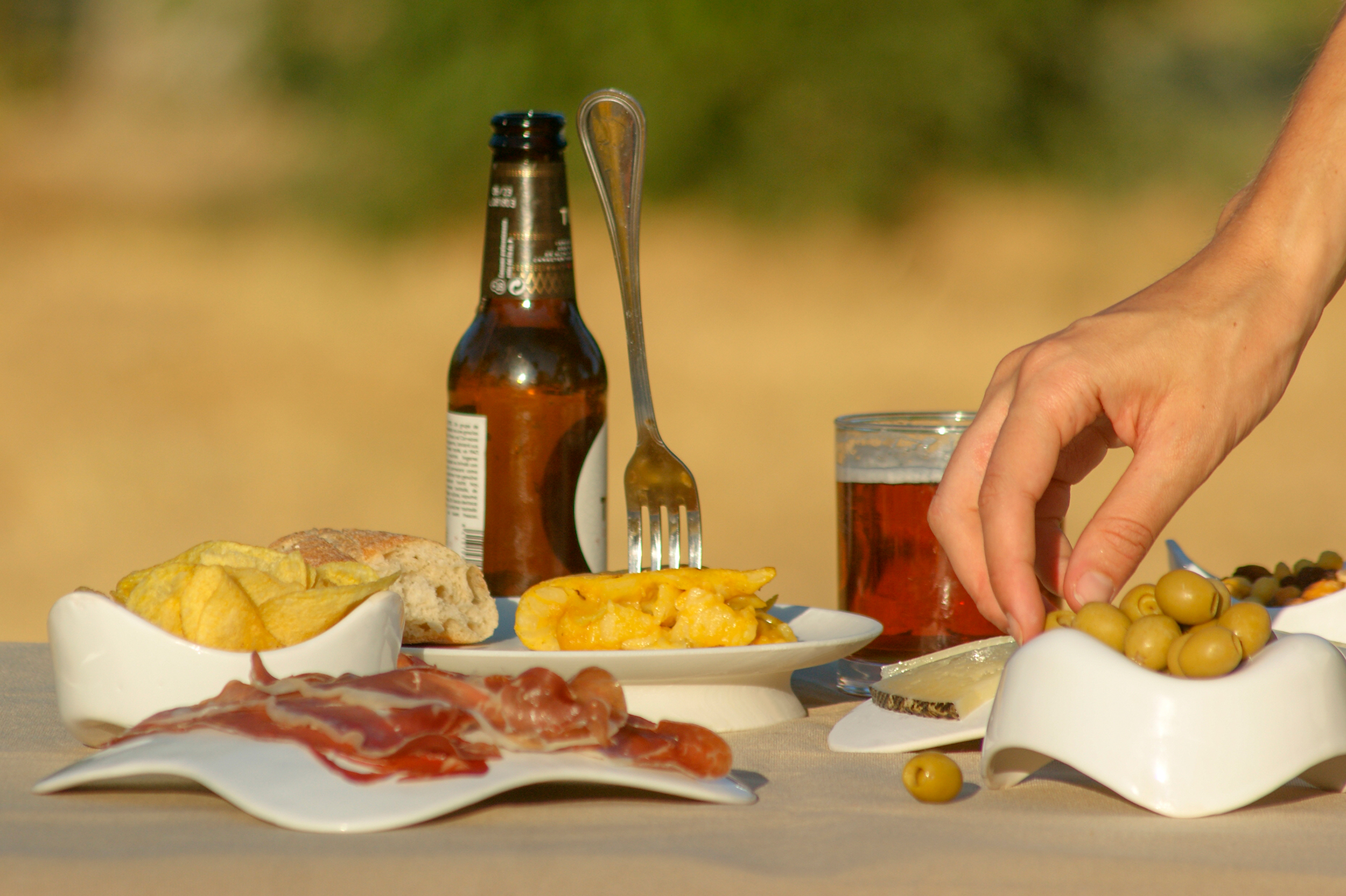
Samuel Sancho González · Vuelta y Vuelta
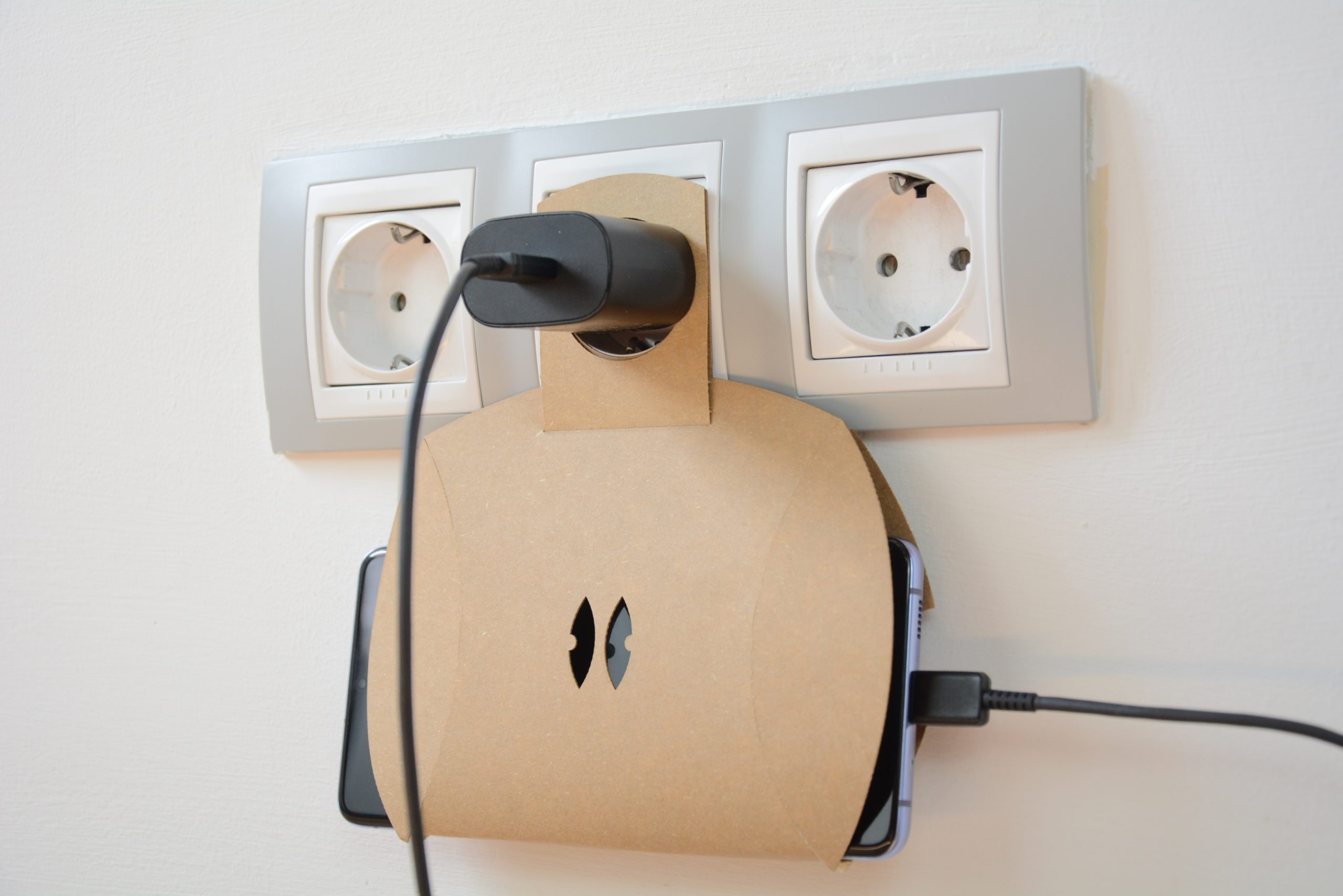
Patricia Cardero Mora, Verónica González Barreto · Duo
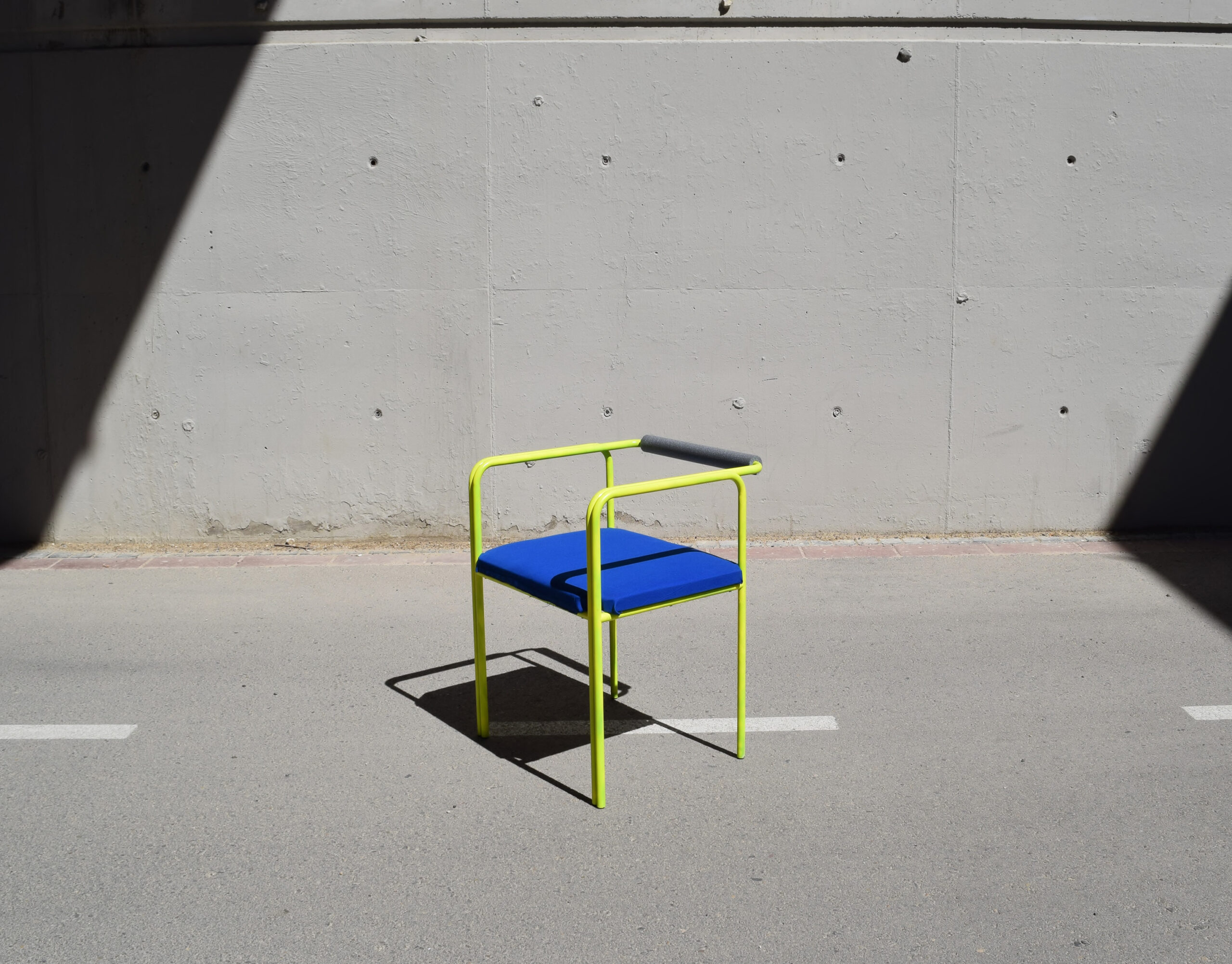
Jesús Martín-Alameda Rodríguez · Parada Solicitada
In Póster, our digital magazine, we have more of our students’ standout projects
Faculty
Pilar Acón
Product Projects

Óscar Beade Pereda
Product Projects

Antonio Cobo Arévalo
Materials

Fátima Ferreiro Galguera
Product Projects

Raquel Arias Urones
Materials

Pablo Hervás Daza
Product Projects
PHD
Pablo Alarcó González
Materials

Marina Romero Leiva
Materials
MRL
Marina Fernández Ramos
Product Projects
MFR
Sergio Arias López
Product Projects

Fernando Navarro Álvarez
Product Projects
FNÁ
Marta Romero Román
Culture and Management
MRR
Mercedes Emilia Martín Perez
Artistic Languages
MEMP
Daniel García García
Digital Media

Pedro Sancho Díaz
Graphic Design Projects

Santiago Liébana
Audiovisual Media

Francisco Javier Martín Encinar
Culture and Management
FJME
Maria Dolores Tellez Domínguez
Graphic Design Projects

Pablo María García Llamas
Audiovisual Media
PMGL
Maria Dolores Lorente
Artistic Languages

Carolina Gracia Labarta
Culture and Management
CGL
Alba Marrodan Leirado
Culture and Management
AML
Marta Martínez Rocha
Graphic Design Projects

Igor Bermúdez
Culture and Management
IB
Marta Ruíz de León Robledo
Culture and Management

Ángeles Fuentes Ruiz
Culture and Management

Carmen Martín Hernando
Product Projects
CMH
Rubén Martín Espada
Artistic Languages

Amaya Barrera González
Materials

Beatriz Asensio Garulo
Culture and Management

María del Carmen López Ramos
Materials

M. Mar Oblanca Palomo
Culture and Management
MMOP
Nieves Frías Huerta
Digital Media
NFH
Francisco Javier Pintado
Digital Media
FJP
Admissions & Fees
If you hold a Secondary Education Diploma (Bachillerato), a University Degree, or a Higher Technical Qualification
[ 1 ]
Admission Test Registration
Application period closed
[ 2 ]
Admission Test
Our methodology is based on “learning by doing”, offering a close and personalised educational experience that values diversity. We encourage the development of critical thinking, preparing students in both methodology and technical skills, while providing the flexibility to create a tailored academic profile through modules from other specialisations. Our design projects are oriented towards improving quality of life, addressing social and environmental challenges.
[ 3 ]
Results
[ 4 ]
Enrolment
Alternative Routes of Admission
[ 1 ]
Direct Admission
[ 2 ]
Maturity Assessment Test
Cerrar
Gracias por dejarnos tu email.
Te avisaremos cuando se abra el registro del próximo curso.
Te avisaremos cuando se abra el registro del próximo curso.
Internships in Companies
Professional internships are a mandatory requirement during the final year of the degree and offer students the opportunity to connect directly with leading companies in the design sector. Through established agreements with a variety of organisations, students can apply their knowledge in a professional environment aligned with their academic training.
Each internship is structured to integrate classroom learning and strengthen professional skills in a real-world context. Tutors and programme coordinators guide the process to ensure that every student finds a placement aligned with their profile and interests, while supervising their progress throughout the experience.
What Our Alumni Say
Any questions?
Contact us at administracion@esdmadrid.es