Master’s Degree in Interactive Design

About the master
Projects
Faculty
Admission and fees
Internships
Alumni

General Information

Qualification

Official Master’s Degree in Interactive Design (Official Master’s Degree within the European Higher Education Area – EHEA) (Postgraduate Level Qualification – MECES Level 3: Spanish Qualifications Framework for Higher Education)

Credits

60 ECTS

Plazo cerrado

Duration

1 year

Learning Format

On-campus

On-campus

Places

20

Start Date

September

Pre-registration

1st pre-registration period: 18 February – 22 March 2026

Applications Open

The Master’s Degree in Interactive Design at ESD Madrid is a one-year official postgraduate programme that provides the strategies and resources required to lead and develop complex projects, equipping students with the ability to face present and future challenges through a strategic vision.

The Master’s Degree in Interactive Design focuses on interaction design methodologies, user experience, and the technologies and processes required for contemporary digital design, including augmented and mixed reality, programming for designers, data visualisation, and graphical user interfaces. Particular emphasis is placed on designing through research techniques both with and without users, as well as understanding the social and cultural context and the theories and authors that support these approaches.

We need a new way of thinking to face the challenges of today’s world» says Edgar Morin: a world in which volatility, uncertainty, complexity, and ambiguity create new challenges. Likewise, Yuval Harari highlights the unprecedented transformations taking place today, alongside the profound uncertainty characteristic of our times.

At the Master’s Degree in Interactive Design, we focus on the acquisition and development of competencies and the application of innovative resources to address complex challenges. Particular emphasis is placed on designing based on the results obtained through ethnographic research techniques to validate empathy and place the user at the centre of the design process. We also stress the importance of understanding the social and cultural context, alongside the theories and authors that support this approach.

Interaction Design (IxD) emerged from the need to study, understand, and facilitate interactions between people, objects, interfaces, systems, and their contexts, generating meaningful and effective experiences that satisfy genuine human needs while maintaining a balance between technology and the human factor, opening pathways toward new and innovative proposals.

IxD integrates multiple disciplines, ranging from project methodologies such as Design Thinking, UX design, and strategic design, to cognitive psychology, programming and coding languages, technological development, and physical computing. It also encompasses graphical user interfaces (GUI), ethnographic user research, interactive storytelling and its application in 2D and 3D environments, data visualisation, and AR/MR technologies, as well as innovation and design research strategies. It is a constantly evolving field that requires continuous adaptation to emerging technologies and design methodologies. Within the MDI Master’s Programme, students will find the resources needed to explore and discover valuable proposals for building the future while becoming familiar with cutting-edge trends in interaction design.

Curriculum

30 ECTS

First Semester

Interactive Design Projects I

8 ects

Programming for Designers and Visual Artists. Ideation

4 ects

Programming Languages

6 ects

User Experience

3 ects

Interface and Culture. Innovation and Research Strategies

3 ects

Graphical User Interfaces

3 ects

Interactive Narrative

3 ects

2D Animation

3 ects

3D Modelling, Materials and Lighting

3 ects

Augmented Reality

3 ects
Core Modules|Elective Modules
30 ECTS

Second Semester

Interactive Design Projects II

8 ects

Interaction and Language

3 ects

Physical Computing

3 ects

Information Visualisation

3 ects

External Internships

6 ects

Master’s Final Project

10 ects
Core Modules|Elective Modules

Por qué estudiar en la ESD Madrid

Haciendo en Escuela Superior de Diseño de Madrid
Exteriores de la Escuela Superior de Diseño de Madrid

Our Courses

[ 1 ]

Interactive Design Projects I

This course is fundamentally structured around the methodological processes of Design Thinking, service design, and strategic design, incorporating creative problem-solving (CPS) processes, agile project methodologies, and collaborative and co-creative dynamics.

“Interactive Design Projects I” is oriented toward facilitating the design of strategies applicable to digital product design, from a global and articulated analytical perspective that consistently places the end user at the centre of the project in order to optimise the user experience. The course develops projectual ethnographic research processes derived from the relationship between anthropology and design, as well as methodologies intrinsic to Design Thinking, analysing, selecting, and applying the most suitable tools according to previously established criteria. Relevant creativity techniques and dynamics are implemented to generate innovative and viable solutions, while methodological testing and implementation processes are also developed.

The course includes an essential practical dimension, enabling students to apply strategies and tools in real contexts so that they acquire the ability to lead, coordinate, and facilitate processes, both in designing strategies tailored to specific challenges and in managing individual and group dynamics and methodologies.

[ 2 ]

Programming for Designers and Visual Artists

An intensive introductory course focused on the development of websites, web applications, and generic interfaces using web technologies such as HTML, CSS, CSS preprocessors, and JavaScript.

The aim of this course is not solely to achieve an advanced level of static web development, but also to familiarise students with efficient design and development systems, including component-based work, states, and other methodologies that support both designers and developers in their professional practice.

[ 3 ]

Programming Languages

This course is intended as an introduction to the fundamentals of JavaScript programming, as well as its application in the development and design of interaction for web user interfaces.

[ 4 ]

User Experience

The objective of this course is to provide students with the foundations necessary to work on usability and user experience in relation to designed products and services. The techniques and tools learned will enable students to adopt a user-centred design approach, understand user behaviours, needs, and expectations, and thereby explore the possibilities of design in relation to interaction and human communication.

[ 5 ]

Interface and Culture. Innovation and Research Strategies

Within a social context where technology and communication occupy a central position, this course seeks to identify the keys to understanding the social transformations generated by digital advancements, enabling students to propose design solutions that respond to contemporary needs. The course analyses the paradigms of the network society, where opportunities emerge to innovate and develop a voice in an increasingly globally interconnected world. Learning takes place through an exploration of the social contexts that have generated change, reflecting on starting points and key elements necessary to understand the path leading to today’s reality. Students will examine how ideas that once seemed impossible have become feasible, and how different schools of thought influence the use and implementation of digital tools. The course also explores design ethics and the intention behind design actions, encouraging students to actively contribute to change.

[ 6 ]

Graphical User Interfaces

This course explores Graphical User Interface Design (UI Design) in depth, addressing its methodological, creative, and technical dimensions. Students will work from the fundamentals of graphic design applied specifically to digital environments through to the advanced construction of professional Design Systems, using methodologies such as Atomic Design.

Through an advanced mastery of Figma, students will engage with the complete workflow — from defining style guides incorporating accessibility principles to creating component libraries and high-fidelity interactive prototypes. The course also examines how design decisions impact the user experience (UX), ensuring that deliverables are suitable for later implementation in HTML and CSS, while guaranteeing a final outcome in the form of a professional portfolio adapted to the demands of today’s digital market.

[ 7 ]

Interactive Narrative

This is an elective course within the Master’s Degree in Interactive Design that studies narrative as an element that structures design work. In some cases, narrative appears as part of an Interactive Design project; in others, the narrative itself becomes interactive, offering possibilities that cannot be found in traditional storytelling media. The course begins with a study of general narrative theory before moving on to explore the specific characteristics of interactive storytelling.

[ 8 ]

2D Animation

What are the possible functions and purposes of animation within interactive design? The designer is responsible for directing the entry, behaviour, and exit of each element. UX choreography should provide responses and inform users about the outcomes of interactions.
Feedforward helps communicate possible interactions and user expectations, enabling a better understanding of how elements function and fit together.
Spatial awareness helps orient users within their environment and clarify relationships between interface elements.
Focus guides user attention, clarifies moments of change, and contributes to a brand’s tone of voice, prompting us to ask: “If the brand could move, how would it express its personality?”
UX animation provides a narrative for users in their interaction with applications, creating relationships between interface objects that guide comprehension and decision-making, enhance functionality, optimise the perception of experience, attract attention, and
provide feedback.

This course is therefore conceived as an immersion into the particular characteristics of interactive animation, its ability to support navigation, improve readability and information clarity, and create memorable and engaging environments for users. «Animation is not about making your app cool. It is about providing your users with the experience they expect”. Nick Babich.

[ 9 ]

3D Modelling, Materials and Lighting

This course aims to introduce students to methods and techniques for the creation, acquisition, and editing of three-dimensional models to ensure correct visualisation and interaction with 3D objects and spaces in Augmented Reality (AR), while also introducing students to their optimisation and adaptation for interaction systems in Extended Realities (XR).

Given the limitations of ECTS credits and teaching hours in relation to the breadth of content that could be covered, a selection of content, methodologies, and tools is made in order to provide students with a foundational knowledge base that can be interconnected with the rest of the Master’s programme.

In the first module, students will study the principles and techniques of polygonal modelling and their relationship with the representation and optimisation of 3D objects for Augmented Reality. This module primarily introduces students to tools for preparing 3D objects for the creation of virtual environments.

In the second module, students will study and practise the acquisition and optimisation of 3D models through the technique of «photogrammetry», providing them with different tools that enable the generation of original 3D models, space capture, «retopology», and digital sculpting, applied to the optimisation and repair of polygonal meshes. Subsequently, UV mapping techniques will be explored in preparation for capturing textures obtained through photogrammetry in low-polygon models.

In the third module, students will be introduced to techniques related to materials, texture maps, scene lighting, the import of external models, and export processes for navigation and visualisation in Augmented Reality.

[ 10 ]

Augmented Reality

This is an elective course within the Master’s in Interactive Design and explores the possibilities of interaction based on the integration of virtual elements into real environments. Thanks to the widespread adoption of smartphones, Augmented Reality is now accessible to everyone without the need for large or expensive devices. At the same time, industry-specific software provides free or educational licences for creators, making these tools accessible to students.

In this course, students will gain hands-on experience with specialised applications for the development of Augmented Reality projects and evaluate their applicability across educational, public, and commercial sectors through a range of practical exercises.

[ 11 ]

Interactive Design Projects II

This course focuses on research and strategic planning, proposal development, and the implementation of interactive resources in physical and digital environments through collaborative processes and dynamics aimed at optimising the user experience of a specific service or digital product.

The course is structured around the methodological process of Design Thinking with a transversal and transdisciplinary approach, alongside the analysis of the most suitable tools and methods for each challenge. It incorporates Creative Problem Solving (CPS), agile methodologies, Design Thinking resources, and co-creation and collaborative working dynamics.

Interactive Design Projects II is oriented towards facilitating the design of strategies applicable to service design, UX design, and digital product design from a global perspective focused on user analysis and user experience through qualitative research methods. The range of resources employed involves considering a broad spectrum of tools to define the most appropriate strategic design approach for the challenge at hand. All processes developed through strategic design and Design Thinking are also directed towards innovation in user experience, generating integrative processes and proposals that are useful, usable, efficient, effective, desirable, and viable. This course is based on a real-world case study within a limited timeframe, emphasising its essential practical nature to apply the strategies, resources, and tools previously introduced in Interactive Design Projects I. In doing so, students strengthen and consolidate their ability to lead, coordinate, and facilitate the processes required in highly complex projects, drawing on a well-founded and accurate holistic vision to achieve an innovative perspective and foster an integrated understanding of both the challenge presented and the value proposition developed.

[ 12 ]

Interaction and Language

Interaction and Language is a theoretical-practical course in which students analyse the intersections between art, design, science, and technology in experimental digital environments. Through the exploration of movements such as new media, net art, and other related practices, the course examines the use of language and interaction codes and their possibilities.

[ 13 ]

Physical Computing

Physical Computing refers to the design of objects and spaces that react and respond to changes in their environment. It is based on the construction of devices that incorporate microcontrollers, sensors, and actuators, which may also include communication capabilities with networks or other devices. As a result, students will develop physical interactive systems that, through the use of software and hardware, can detect and respond to signals from the analogue world. In a broader sense, Physical Computing provides a creative framework for understanding the relationship between human beings and the digital world.

[ 14 ]

Information Visualisation

The idea that “a good image is worth a thousand words” has become deeply embedded even in popular culture. However, many of the individuals responsible for creating such images — doctors, geographers, physicists, and others — do not come from the field of visual communication.

In reality, the relationship between ideas, words, notation systems, and representation is far more complex than might be expected. The evolution of data visualisation systems demonstrates that this is an interdisciplinary activity that requires, first and foremost, a solid theoretical foundation.

The progressive process of digitalisation that has accompanied us for years has placed an unprecedented volume of data and multiple tools for *working* with it at our disposal. Even so, the ability to transform that data into information and knowledge — and the skills necessary to create effective narrative structures in today’s communication landscape — still requires expert intervention.

This course aims to provide the conceptual foundations, initial references, and practical tools needed to experiment with and learn different methods of representing data, “drawing what we know” and “making the invisible visible.”

[ 15 ]

External Internships

The Practicum, or External Internships, is an essential component for students wishing to pursue a professional career in design studios, communication consultancies, strategic design firms, or image and communication departments across organisations of any kind.
Its objective is to develop experiences that enrich students’ future professional practice. Through internships in companies or institutions, students will have the opportunity to refine professional working methods, learn how to make decisions within short timeframes and under high-pressure situations, often based on incomplete and changing information, and develop a strong capacity for solving difficult and complex problems in highly uncertain contexts. This practical experience enables students to apply strategies that can only be acquired through direct exposure to day-to-day professional practice.

[ 16 ]

Master’s Final Project

The Master’s Final Project (TFM) involves the completion of a project in which students apply and develop the knowledge acquired throughout the Master’s programme. The project must focus on the application of the generic competencies associated with the qualification. The importance of the TFM lies in its ability to foster students’ capacity to select a topic aligned with their interests, plan a process of analysis and study of such topic, establish objectives, and present and defend

a solid and well-justified response to the challenge posed in a formal manner. Consequently, the completion of the TFM enables students to develop analytical skills, problem-solving abilities, and the capacity to assimilate and present results effectively.

The primary purpose of the Master’s Thesis stems from its integrative nature, as it enables students to demonstrate that they possess all the skills, resources and tools required to develop high-quality, innovative projects—whether for creative or commercial application—and to implement valuable new strategies within complex organisations.

With a view to students’ future career prospects, the Master’s Thesis may draw on activities related to design studies, institutions, businesses, the entertainment industry, e-learning, events, or companies specialising in communications, advertising and online marketing, interactive art and net art, as well as social and health-related objectives, amongst others; in all cases, interaction must play a central role in the final proposal.

Design the future you imagine. Immerse yourself in a transformative learning experience, your future starts here. Join our motto: “Here, things are done differently.”

Why Study at ESD Madrid

[ 1 ]

Public and Accessible Education

As a public institution, ESD offers an extensive network of collaborations with companies, organisations and institutions at both national and international level, while maintaining its social commitment through publicly regulated tuition fees adapted to students’ income levels.

[ 2 ]

"Hands-on Learning" Methodology

We place great value on intellectual education and the practical application of theoretical content by incorporating it into the development of real-world projects, many of which are carried out in collaboration with external companies or institutions. The MDI programme features ongoing individual and group mentoring, with a strong focus on innovation and experimentation. Learning is “the process of transforming all our experience through thought, action and emotion, and thereby transforming ourselves as we continue to construct perceptions of external reality within our life story”; thus, through a humanistic approach, design thinking facilitates project development and the optimisation of learning.

[ 3 ]

Personalised and Supportive Learning Environment

With a maximum of 20 students per group and a faculty that combines academic expertise with professional practice, the programme develops within an approachable and supportive environment that enhances the quality of teaching and learning. We aim for intrinsic motivation to become a key ingredient in the learning process, fostering a stronger learning curve, greater depth of understanding, and an educational experience rooted in the enjoyment of learning itself.

[ 4 ]

Curricular Flexibility

The transversality between the Master’s own content, its interaction with society and ethical values, and its connection with other disciplines that are essential to the development of complex projects, generates a transdisciplinary strategic capacity that enables students to lead complex initiatives. Particular attention is given to ethical, environmental, and inclusive values, as well as to the social responsibility of design. Co-creation, collaboration through distributed thinking, and collective intelligence are considered fundamental for preparing students for a competent professional career. The programme also recognises the importance of the skills required for the future professional landscape, including critical, innovative, and creative thinking, advanced technological capabilities, and communication and collaboration skills for leading multidisciplinary teams. Strategic methodological skills, «agile» management capabilities, and the ability to adapt to increasingly uncertain and rapidly changing environments are also considered highly relevant. Likewise, the programme promotes ethnographic research approaches, drawing on anthropology, sociology, psychology, and behavioural sciences to achieve a holistic perspective that facilitates the optimisation of proposed solutions.

[ 5 ]

Social and Environmental Impact

Design Thinking is widely used in developed societies to foster creative solutions to complex problems. It has the capacity to shape human interactions, promote inclusion, and propose responses to contemporary social needs, acting as a driver of social change and sustainability while improving quality of life. The effective application of design enables the correction of existing problems and the invention of new ways of doing things. Interaction Design facilitates the creation of meaningful relationships between people and the products or services they use.

[ 6 ]

Training in Design Thinking and Professional Practice

The Master’s in Interactive Design at ESD Madrid aims to educate design professionals capable of leading complex strategic projects through a training approach that supports a holistic understanding of the challenges addressed, both from an intellectual perspective and through the practical application of acquired knowledge. The programme is grounded in the development of key competencies for a constantly changing world, including critical and strategic thinking, problem-solving, creativity, and co-creative collaboration.

[ 7 ]

International Partnerships

As a public institution, ESD Madrid offers an extensive network of collaborations with companies, organisations, and institutions at both national and international levels, while maintaining its strong social commitment.

Want to Learn More About the School?

Discover our mission and what drives us

Career Opportunities

Career opportunities for professionals in Interaction Design (IxD), UX, strategy, service design, digital product design, interactive experiences, usability, and related disciplines are broad and continuously expanding within an employment landscape marked by constant evolution and transformation. Numerous opportunities exist across a wide range of sectors, allowing creative professionals to explore different roles and find their place in the professional world.

Digital Designer
UX/UI Visual Designer
Product Designer
Service Designer
UX Researcher
UX Lead
Interaction Designer IxD
UX Writer or Marketing Writer
Front End Developer
Visual Designer
Motion Designer
Strategic Design Manager
VR/AR experience design
Design Lead
Design professor

Projects

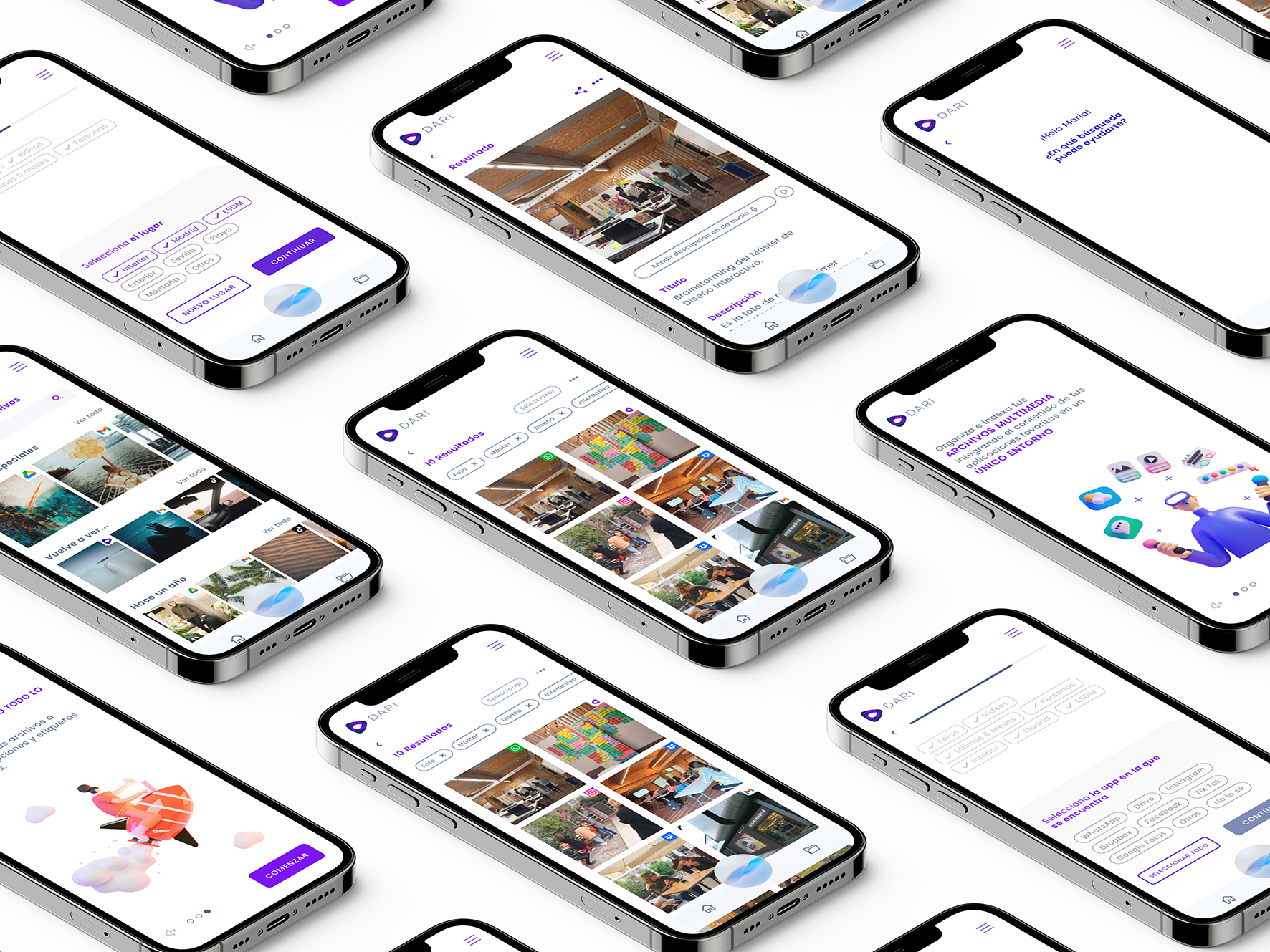
Dari

María Rosado García · Dari

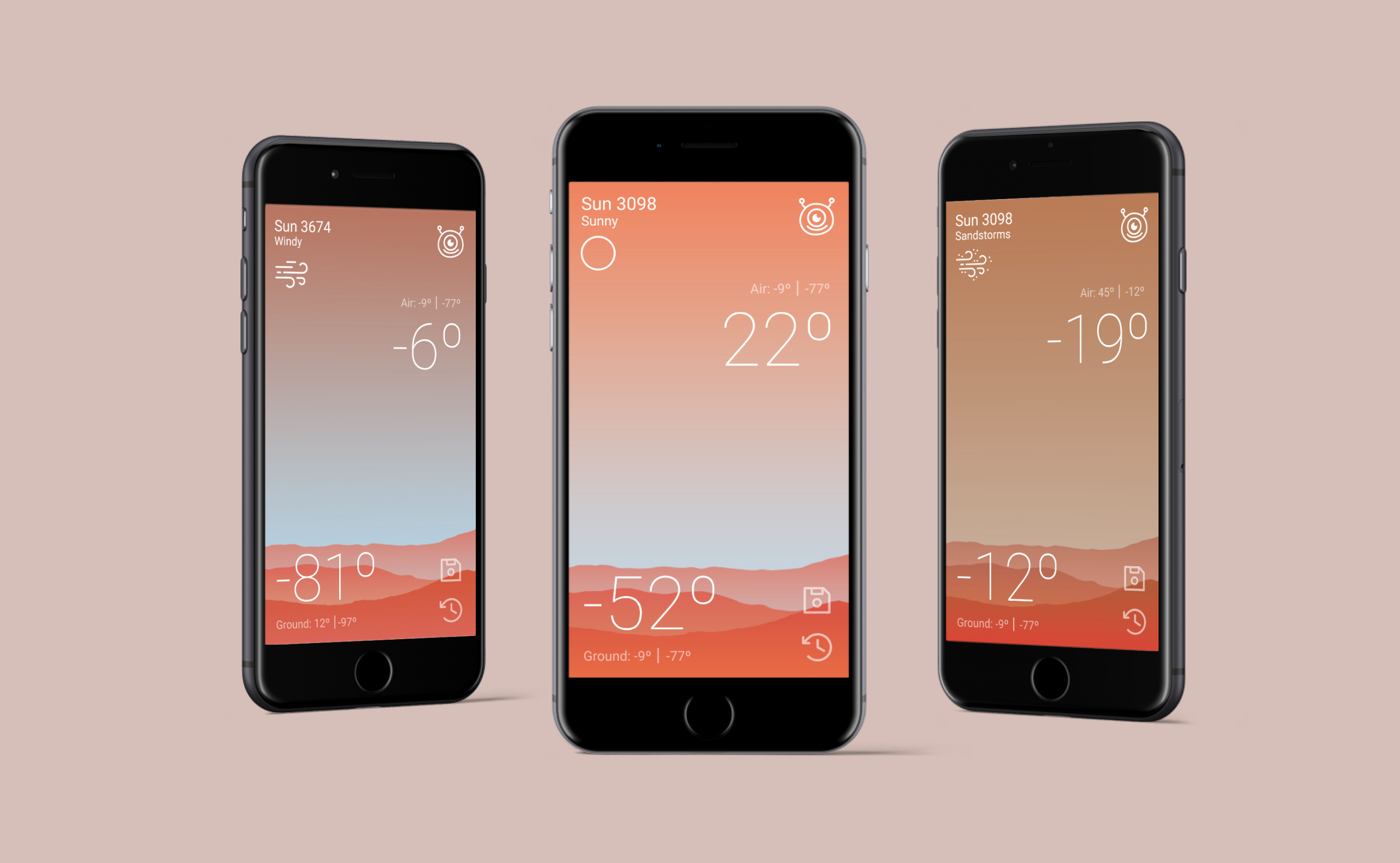
App del tiempo en Marte

Marta Alcázar de V. Ayape · App del tiempo en Marte

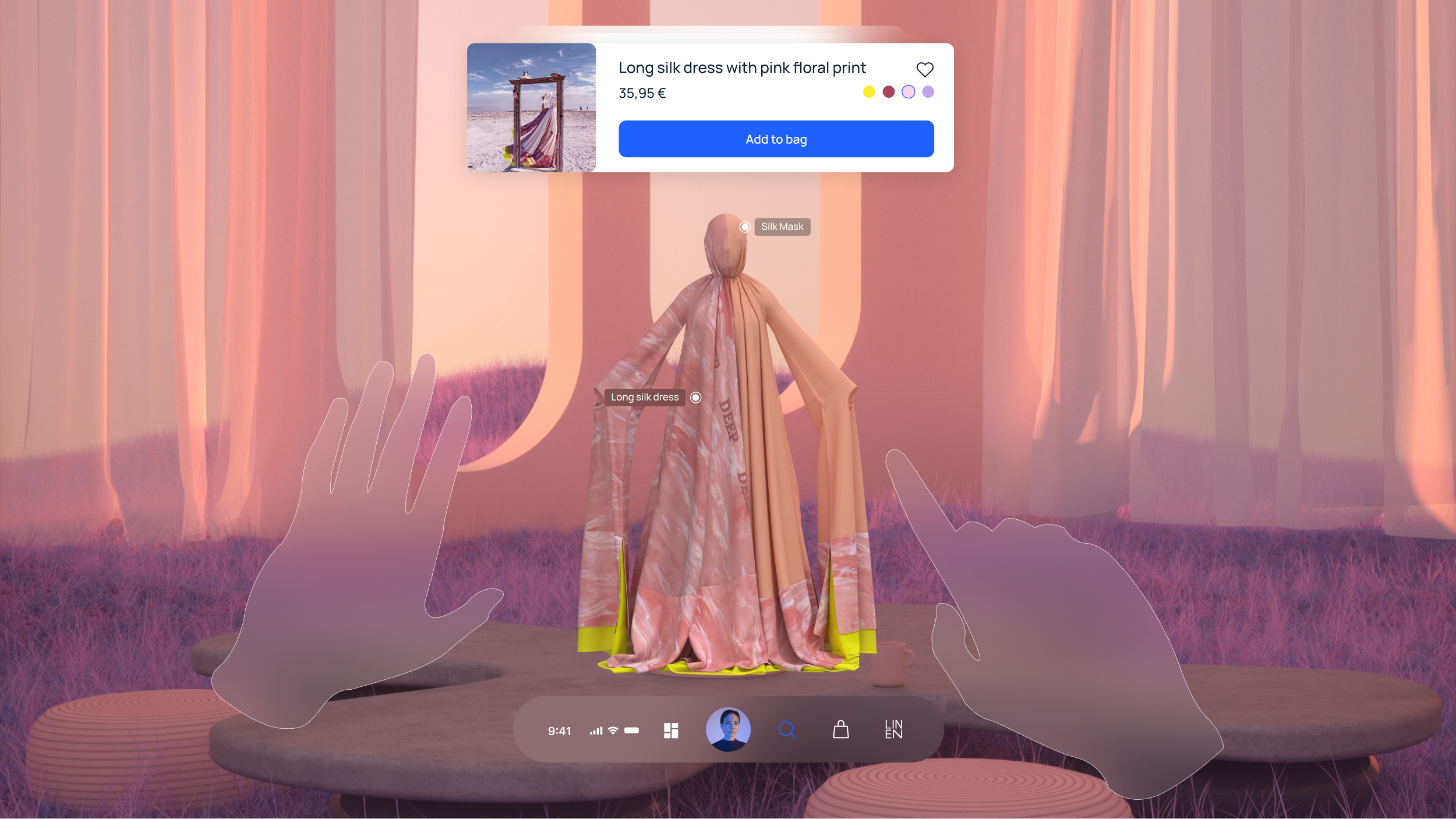
Linen

Angélica Jiménez Domínguezz · Linen

Close

In Póster, our digital magazine, we have more of our students’ standout projects

Faculty

Luís Conde Arranz

Master's Programme Coordinator | Projects I and II

Ana García Angulo

Projects I and II | User Experience | Interaction and Language

Icíar Villamayor Martínez

Programming for Designers

Iván Huelves Illas

Graphical User Interfaces

Santiago Liébana

Interactive Narrative

Gonzalo Cordero de Ciria

2D Animation

Ángeles Fuentes Ruiz

Interface and Culture

Jesús Jara

Programming Languages | 3D Modelling | Augmented Reality

Elena Juárez

Information Visualisation | Physical Computing

Close

Subjects taught

What moves you

Contact

Admissions & Fees

[ 1 ]

Requirements

To access official Master’s studies, applicants must meet one of the following academic requirements:

1) Hold an official Higher Degree in Artistic Education, an official Bachelor’s degree, or an equivalent qualification issued by an institution within the European Higher Education Area (EHEA) that grants access to Master’s-level studies in the country where the qualification was awarded.

1) Estar en posesión de un Título Superior oficial de Enseñanzas Artísticas, de un título oficial de Graduado o Graduada o su equivalente expedido por una institución del Espacio Europeo de Educación Superior que faculte en el país expedidor del título para el acceso a enseñanzas de máster.

2) Graduates from universities outside the European Higher Education Area may also be admitted without the need for degree homologation, provided that they can demonstrate an equivalent level of education to the corresponding Spanish qualification and that their degree grants access to postgraduate studies in the issuing country. Admission for these applicants is subject to a favourable decision by the Madrid School of Design (ESD Madrid), as detailed in the following section. Admission through this route shall not imply, under any circumstances, official recognition or homologation of the applicant’s prior degree, nor recognition for purposes other than undertaking official Master’s-level artistic studies.

Students in the final year of their undergraduate studies, who are not yet in a position to formally apply for their degree certificate, may still pre-register and be admitted. Applications for admission may therefore be submitted before the completion of qualifying studies, although having completed those studies becomes an essential requirement for final enrolment.

[ 2 ]

Application Timeline

Applications Open

Early Pre-registration 1
(preparatory phase with no allocation effect)

Application period:
18 February – 22 March 2026

Application validation period:
27 – 30 March 2026

Provisional list of eligible candidates 1:
5 April 2026

________
Early Pre-registration 2
(preparatory phase with no allocation effect)

Application period 2:
5 April – 22 May 2026

Application validation period:
29 May – 2 June 2026

Joint provisional list of eligible candidates (1 + 2):
8 June 2026

________
Official Admission & Enrolment
(single administrative resolution with legal effect)

Final application deadline for admission process:
8 – 23 June 2026

Admission validation period:
24 – 26 June 2026

Provisional admission results:
29 June 2026

________

Final admission results:
17 July 2026

________
Official enrolment period:
Until 31 July 2026

[ 3 ]

Registration

You must complete the application form and submit the following documents:

  • Identity document: National ID (NIF), Foreign ID (NIE) or Passport.
  • Curriculum Vitae.
  • Academic degree or proof of having applied for it.
  • Academic transcript, including subjects, credits (or hours), and grades obtained in each of them.
  • Motivation letter explaining the reasons for applying to this postgraduate programme (academic, professional and personal).
  • Portfolio or project report with five selected works. (2)
  • English language certificate (B2 level or higher). Optional
[ 4 ]

Recommended Applicant Profile

The ideal profile for this Master’s programme includes graduates, bachelor’s degree holders, or engineers. Although prior education in a specific field is not mandatory, the programme is particularly suited to graduates from design, the arts, engineering and computer science, social sciences, and communication studies.

[ 5 ]

Admission Criteria

  • Title: Valid/Invalid
  • Average grade for the courses leading to the Master’s degree 25%
  • Curriculum Vitae 5% (Academic and professional background)
  • Portfolio 25% (Relevance of proposals and quality of execution 50%; Variety of topics 25%; Relevance to the Master’s programme 25%)
  • Face-to-face interview 35%
  • Cover letter 5% (Level of commitment)
  • English 5% (B2 level or above will be taken into account)
[ 6 ]

Interview

Interviews will be held at each stage of the application process, and applicants will be contacted by the Master’s programme co-ordinators

[ 7 ]

Escribe amaster@esdmadrid.es si tienes alguna duda que resolver o consulta que quieras realizar
Household Income per Capita
Fee reduction
Total programme fee
Up to €15,000
80%
€1,032 + €19 (administrative fees) = €1,051<br><br>
From €15,001 to €50,000
75%
€1,290 + €19 (administrative fees) = €1,309
From €50,001 to €100,000
70%
€1,548 + €19 (administrative fees) = €1,567
Over €100,000
5160€ + 19€ (gastos adminis.)= 5.179€€ + 19€ (gastos adminis.)
Cerrar
Gracias por dejarnos tu email.
Te avisaremos cuando se abra el registro del próximo curso.

Internships in Companies

Through external internships in companies or institutions, students have the opportunity to refine professional working methods and integrate into professional teams. They learn to face decision-making processes under tight deadlines, in high-pressure environments focused on results, often working with information that is incomplete and constantly changing. Students also develop a strong ability to solve complex and difficult problems, skills that can only truly be acquired through direct contact with professional day-to-day practice.

External internships take place during the second half of the study plan (the second half of the second semester). The Internships Coordination Team at ESD Madrid is responsible for establishing contact with companies, institutions, and agencies to ensure students can undertake meaningful learning experiences in direct engagement with communication and institutional strategy, while also arranging the necessary partnership agreements to facilitate these placements.

The allocation of internships is subject to the availability of host companies and institutions, the validity of agreements in place, the suitability of each student’s academic and professional profile, and the responsibilities associated with each placement. Internships must be approved by the Master’s Coordination Team, which will ensure their alignment with the objectives and competencies of the programme, and students will be supervised by an academic tutor.